
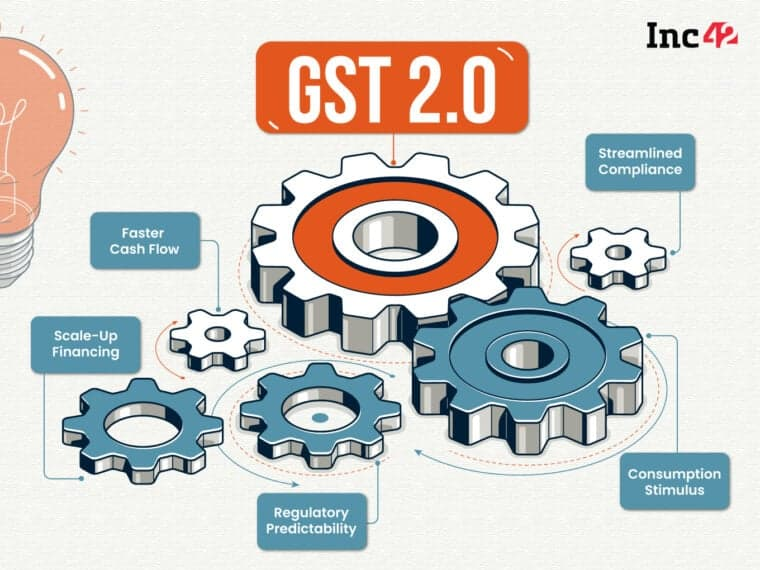
GST 2.0 – Balancing Growth and Fiscal Prudence

Introduction
India’s Goods and Services Tax (GST) was introduced in 2017 as a historic reform to
replace a complex web of indirect taxes with a unified, destination-based tax system. Over
time, GST improved transparency, boosted compliance, and enhanced ease of doing
business, but also faced challenges like multiple rates, inverted duty structures, and
compliance burdens. The GST 2.0 reform package marks the most ambitious overhaul of
the system since its launch, introducing a simplified rate structure, sectoral relief, and
institutional reforms designed to balance economic growth with fiscal prudence.
What is the Goods and Services Tax (GST)?
Introduced by the 101st Constitutional Amendment Act, 2017, GST is a comprehensive
indirect tax levied on the supply of goods and services in India. It replaced excise duty,
service tax, VAT, octroi, and several other indirect levies, creating a common national
market. The Kelkar Task Force (2006) laid the intellectual foundation for GST by
recommending a value-added tax system.
Key Features of GST
| Feature | Details |
| Dual Structure | CGST & SGST for intra-state; IGST for inter-state transactions |
| GST Council | Policymaking body under Article 279A |
| GSTN | Technology backbone for filing, payments, compliance |
| Threshold Exemption | Technology backbone for filing, payments, and compliance |
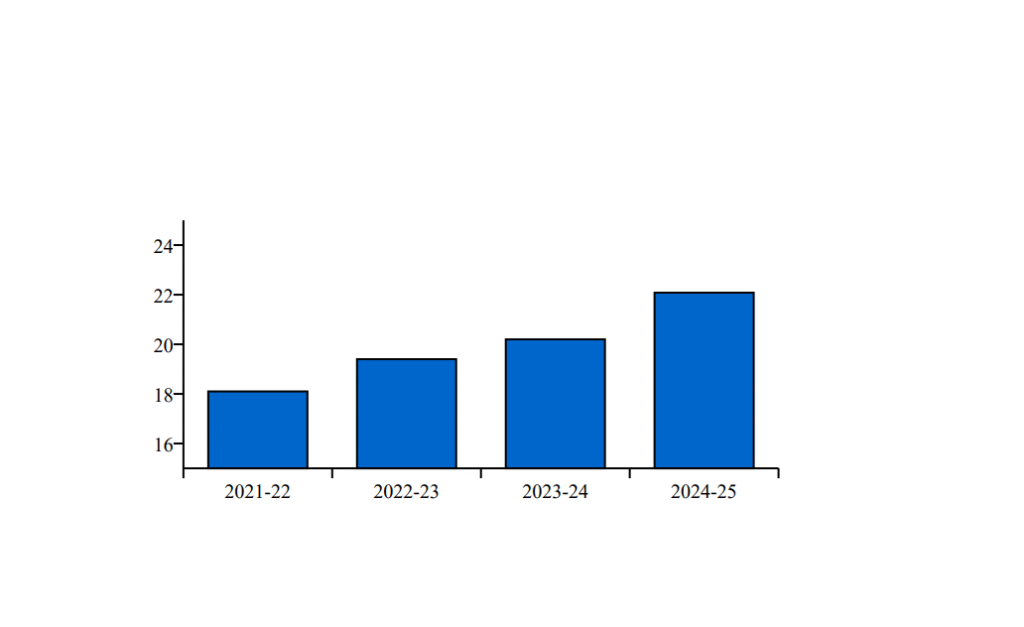
GST Collection Growth
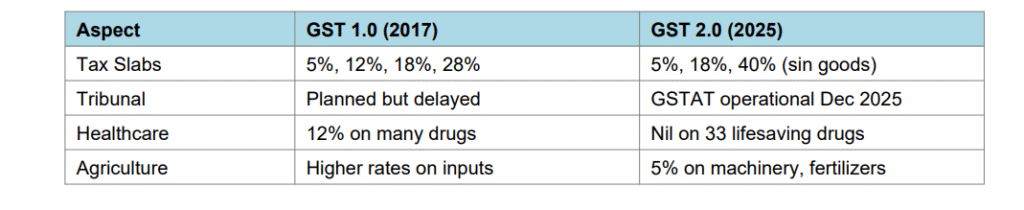
Comparison: GST 1.0 vs GST 2.0
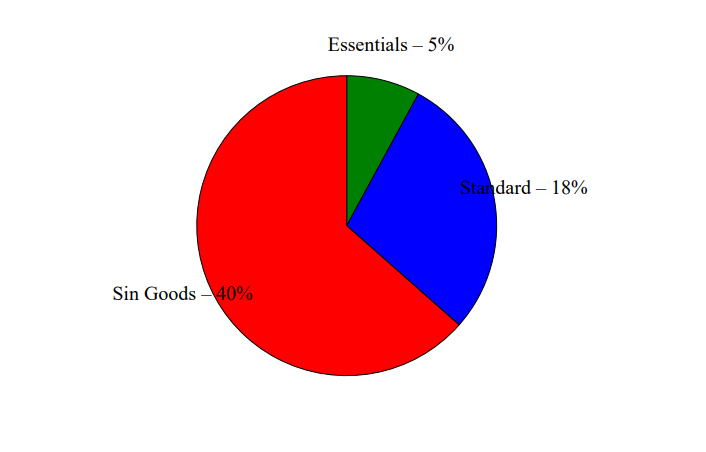
GST 2.0 Rate Structure
Key Issues with GST 2.0
Despite simplification, challenges persist:
- Cascading tax risks due to ITC restrictions.
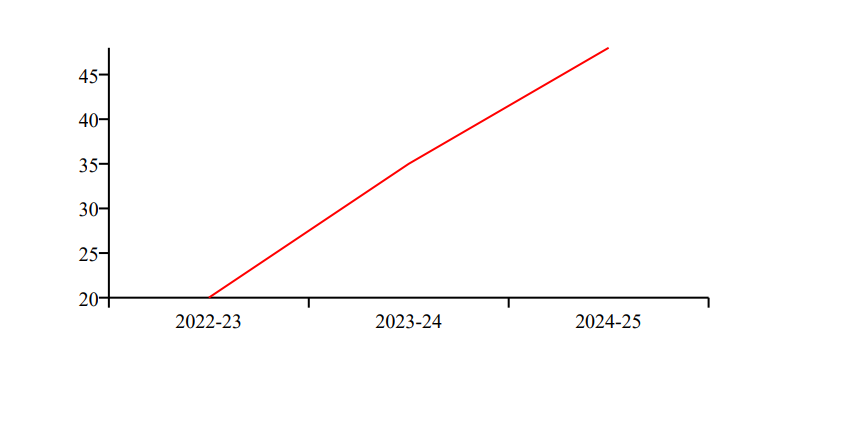
- Revenue shortfall of ~48,000 crore annually.
- Classification disputes in the reduced slab system.
- Compliance complexity for MSMEs.
- Delay in GSTAT benches in many states
Estimated Fiscal Shortfall
Conclusion
GST 2.0 represents a transformative leap in India’s taxation framework. It simplifies
compliance, lowers tax burden, and strengthens growth drivers like MSMEs, agriculture,
and healthcare. However, fiscal prudence remains crucial as revenue shortfalls may stress
state finances. A strong ITC mechanism, timely GSTAT functioning, and alignment with
long-term growth goals are essential for success. GST 2.0, if implemented with stability
and cooperative federalism, can lay the foundation for inclusive prosperity and global
competitiveness.


-
-
-
-
-
-
-
-
-
-
-
-
-
-
-
-
-
-
-
-
-
-
-
-
-
-
Show CommentsThanks for sharing. I read many of your blog posts, cool, your blog is very good. https://www.binance.info/register?ref=IHJUI7TF
Thank you for your sharing. I am worried that I lack creative ideas. It is your article that makes me full of hope. Thank you. But, I have a question, can you help me?
Your article helped me a lot, is there any more related content? Thanks! https://www.binance.com/register?ref=IXBIAFVY
Can you be more specific about the content of your article? After reading it, I still have some doubts. Hope you can help me.
Your point of view caught my eye and was very interesting. Thanks. I have a question for you.
Thanks for sharing. I read many of your blog posts, cool, your blog is very good. https://accounts.binance.info/kz/register-person?ref=K8NFKJBQ
Thanks for sharing. I read many of your blog posts, cool, your blog is very good. https://accounts.binance.com/da-DK/register-person?ref=V3MG69RO
Your article helped me a lot, is there any more related content? Thanks!
Your point of view caught my eye and was very interesting. Thanks. I have a question for you.
Can you be more specific about the content of your article? After reading it, I still have some doubts. Hope you can help me. https://accounts.binance.com/da-DK/register?ref=V3MG69RO
I don’t think the title of your article matches the content lol. Just kidding, mainly because I had some doubts after reading the article.
I don’t think the title of your article matches the content lol. Just kidding, mainly because I had some doubts after reading the article.
Thank you for your sharing. I am worried that I lack creative ideas. It is your article that makes me full of hope. Thank you. But, I have a question, can you help me? https://accounts.binance.info/sk/register?ref=WKAGBF7Y
Thanks for sharing. I read many of your blog posts, cool, your blog is very good. https://accounts.binance.info/tr/register?ref=MST5ZREF
Can you be more specific about the content of your article? After reading it, I still have some doubts. Hope you can help me.
Your point of view caught my eye and was very interesting. Thanks. I have a question for you. https://www.binance.info/register?ref=IXBIAFVY
Thank you for your sharing. I am worried that I lack creative ideas. It is your article that makes me full of hope. Thank you. But, I have a question, can you help me?
Can you be more specific about the content of your article? After reading it, I still have some doubts. Hope you can help me. https://www.binance.com/zh-CN/register?ref=WFZUU6SI
Can you be more specific about the content of your article? After reading it, I still have some doubts. Hope you can help me. https://accounts.binance.com/de-CH/register-person?ref=W0BCQMF1
Your point of view caught my eye and was very interesting. Thanks. I have a question for you.
Thank you for your sharing. I am worried that I lack creative ideas. It is your article that makes me full of hope. Thank you. But, I have a question, can you help me? https://www.binance.com/join?ref=QCGZMHR6
Thanks for sharing. I read many of your blog posts, cool, your blog is very good.
Thank you for your sharing. I am worried that I lack creative ideas. It is your article that makes me full of hope. Thank you. But, I have a question, can you help me?
Your point of view caught my eye and was very interesting. Thanks. I have a question for you. https://accounts.binance.com/register-person?ref=IXBIAFVY
Can you be more specific about the content of your article? After reading it, I still have some doubts. Hope you can help me.
Can you be more specific about the content of your article? After reading it, I still have some doubts. Hope you can help me.